
Berber Carpets: Durable, Stylish, and Affordable - Shop at Carpet Express for the Latest Designs and Deals
At Carpet Express, we offer a wide variety of Berber carpets with designer colors, patterns, and prices to fit your specific needs.
The thick loop construction of Berber carpets makes them highly resistant to wear and tear, and many styles come with commercial-grade warranties. Their natural woolen tones and jute-like colors are often flecked into the tufts of the carpet, offering a distinctive and stylish look that can enhance any space.
Choose from our broad selection of Berber carpets today and enjoy quality and durability for years to come. Contact us at 800-922-5582 to learn more about our products and services.


Residential Carpet | Berber Carpet | by Dream Weaver
- Available in 9 Colors
$1.09 SQ FT
REG $1.80
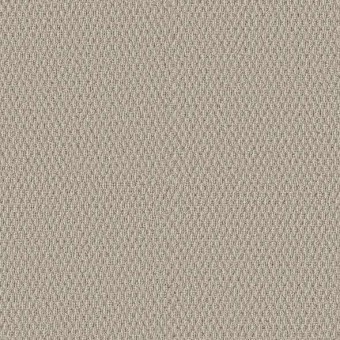


Residential Carpet | Berber Carpet | by Shaw Carpet
- Available in 15 Colors
$1.39 SQ FT
REG $2.00
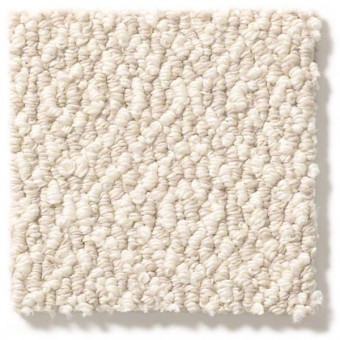


Residential Carpet | 31oz Anso Nylon - Berber Carpet | by Tuftex
- Available in 13 Colors
$3.29 SQ FT
REG $5.40
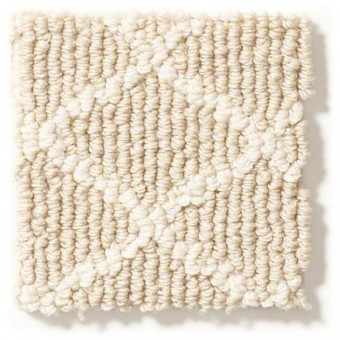


Residential Carpet | 31oz Anso Nylon - Berber Carpet | by Tuftex
- Available in 12 Colors
$3.29 SQ FT
REG $5.00

Residential Carpet | Berber Carpet
- Available in 6 Colors
Residential Carpet | Berber Carpet
- Available in 25 Colors
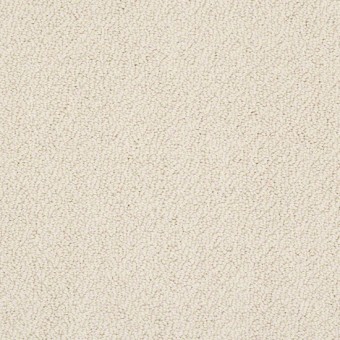


Residential Carpet | Berber Carpet
- Available in 14 Colors
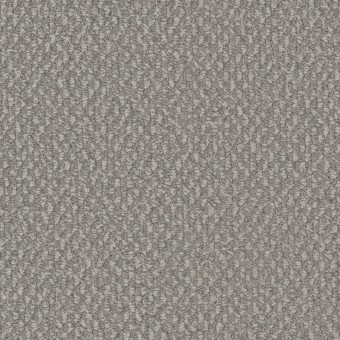
Residential Carpet | Berber Carpet | by Dw Select
- Available in 9 Colors
$1.09 SQ FT
REG $1.56


Residential Carpet | Berber Carpet | by Dw Select
- Available in 9 Colors
$1.09 SQ FT
REG $1.56
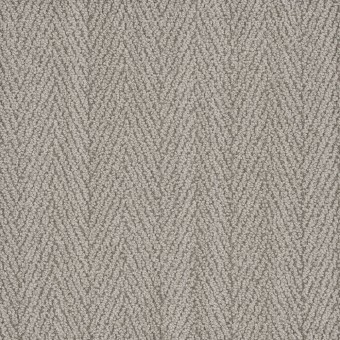


Residential Carpet | Berber Carpet | by Dw Select
- Available in 6 Colors
$2.89 SQ FT
REG $4.13


Residential Carpet | Berber Carpet | by Dw Select
- Available in 9 Colors
$2.99 SQ FT
REG $4.27



Residential Carpet | Berber Carpet
- Available in 20 Colors
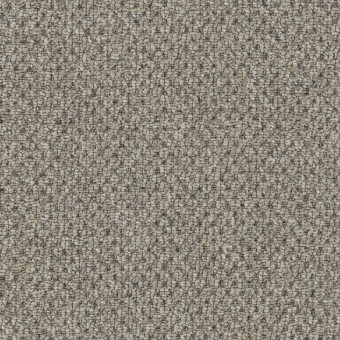


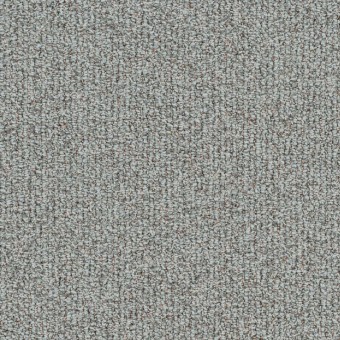


Residential Carpet | Berber Carpet
- Available in 12 Colors
$1.29 SQ FT
REG $1.84


Discover the Durability and Style of Berber Carpets from Carpet Express
Berber carpets have been a popular choice for home and commercial spaces for many years. Known for their durability and unique style, Berber carpets offer a variety of benefits that make them an excellent choice for any space.
The term "Berber" refers to a loop carpet style that is named after the Berber people of North Africa. The original Berber carpets were hand-woven and featured distinctive knots. However, the term now refers to any looped style carpet that does not use traditional methods.
The construction of Berber carpets consists of thick loops instead of a cut pile, giving them their signature durability. This makes Berber carpets an excellent choice for high-traffic areas, as they are able to withstand heavy foot traffic and are often backed by light commercial warranties.
One of the appealing features of Berber carpets is their natural, woolen or jute-like tones. These flecks of color in the tufts are achieved through a variety of methods, including multi-level loops, variegated yarns, and flecked yarns. These colors not only add a unique aesthetic appeal but also help to mask dirt and stains.
In addition to their unique style, Berber carpets are also easy to clean and maintain. Modern carpet fibers used in these looped styles are stain-resistant and require little maintenance, making them an excellent choice for busy households or commercial spaces.
At Carpet Express, we offer a wide selection of Berber carpets in designer colors, patterns, and prices to suit any style and budget. We can even create custom area rugs from your chosen Berber carpet to further enhance the look of your space. Contact us at 800-922-5582 to learn more.